The Importance of AV Equipment At Your Event

What is audiovisual equipment?
Audiovisual equipment is a broad term that encompasses any device that processes, projects, or generates audio and visual effects. This includes items such as speakers, monitors, and microphones. Audiovisual equipment is used in both small events like birthday parties and especially large ones like corporate events and can be instrumental in enhancing the overall success of an event.
The type of audiovisual equipment needed depends on the events you are holding, the user’s capability, budget constraints, and customer requirements, but it is always recommended to get high-quality AV equipment. When setting up audiovisual components for an event, it’s important to consider the size of the event venue and the type of content being presented so you can choose the correct setup for your needs. You can create a truly unforgettable experience for your guests with a proper AV setup.
The importance of audiovisual design
Audiovisual (AV) design is an integral part of creating a successful event. It’s the driving force that helps your guests stay engaged and ensures your message is delivered loud and clear. In addition, adequately planned AV systems can help create an atmosphere, encourage interaction between attendees, and ensure flawless presentations or entertainment.
The importance of AV design cannot be overlooked when planning an event. An effective AV system is essential for success, from large-scale conferences to small gatherings. Careful consideration should be given to the type of equipment needed based on the venue’s size, the event’s purpose, user capability, budget constraints, and customer requirements. With a well-designed AV system, you can create an experience that will leave a lasting impression on your guests and ensure your event is one they’ll never forget.
How to Determine What AV Equipment You Need for Your Event
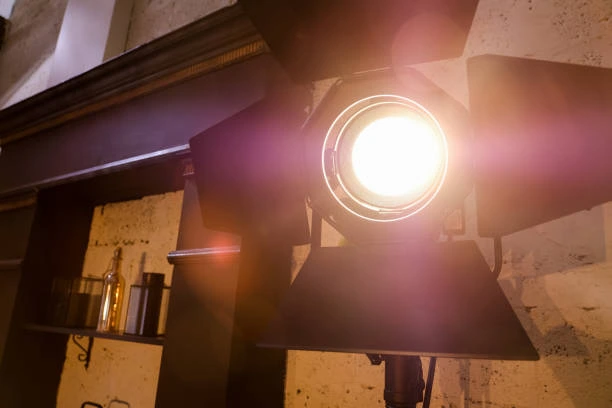
When planning an event, it’s important to determine what type of audio/visual equipment you need. Depending on the event’s size, purpose, and budget, numerous types of AV equipment can help enhance your guests’ experience.
Start by creating a list of all the activities and presentations that will be taking place during your event. Then assess what AV system would best fit each activity or presentation. This could include sound systems, video displays, projectors, microphones, and more. Next, consider factors such as how many people will be in attendance, the size and layout of the venue, any special effects you’d like to use to engage your guests (e.g., lighting effects), and any other items specific to your event that may require AV technology.
Once you’ve determined all the necessary equipment for your event, research different companies that specialize in providing professional AV solutions. Their experienced staff should be able to guide you through selecting the appropriate audio/visual gear for your needs while staying within your budget constraints.
No matter what type of event you’re planning—from a small gathering to a large-scale conference—having the right AV equipment is essential for success!
Audiovisual checklist for events
When it comes to planning a successful event, having the right audiovisual (AV) equipment is essential. To ensure that your event runs smoothly, here is a checklist of AV gear that you should consider renting or buying:
Microphones:
These are needed for presentations and speeches to ensure everyone in the audience can hear clearly. Microphones should be tested multiple times before a speaker starts their speech. No one likes the screeching of a microphone that is not correctly working.
Speakers:
should be loud enough to fill the room and have high-quality sound output but not to the point where it bothers guests.
Lighting:
Lighting can help set the mood of an event from a dramatic effect to something more subtle. It sets the tone when your attendees walk into your event.
Video Projector:
This allows you to display images and videos on a big screen for all attendees to see. You can also use this to project the schedule for the day and other important information like sponsors who need to be acknowledged and more!
Cables and Connectors:
Ensure you have the right lines and connectors for all your AV equipment so there aren’t any technical problems during your event. Plug everything in days prior to the event, and ensure they work well.
Having this equipment on hand will help ensure that your event goes off without a hitch! With these items in place, you’ll be able to create an enjoyable experience for everyone involved.
Risks
Every event comes with risk, and when it comes to audiovisual equipment, several potential pitfalls could completely derail an event if addressed. The most common issues include feedback, inadequate sound levels, and malfunctioning hardware or software.
Feedback can occur when a microphone is too close to a speaker, resulting in unpleasant noise that the entire audience can hear. To prevent this, sound technicians should be aware of where speakers and microphones are placed in relation to each other.
Inadequate sound levels can also ruin an event if the audience cannot hear what’s being said. Good technicians should ensure all audio equipment is correctly calibrated before the event begins to avoid this issue.
Finally, malfunctioning hardware or software can cause serious disruptions during an event if not addressed quickly. To minimize this risk, it’s important to regularly test your AV equipment prior to the start of any event and have extra backup equipment on hand just in case something does go wrong.
Taking these precautions before an event begins ensures your audience has a positive experience from start to finish!
AV Tips For Planning Events
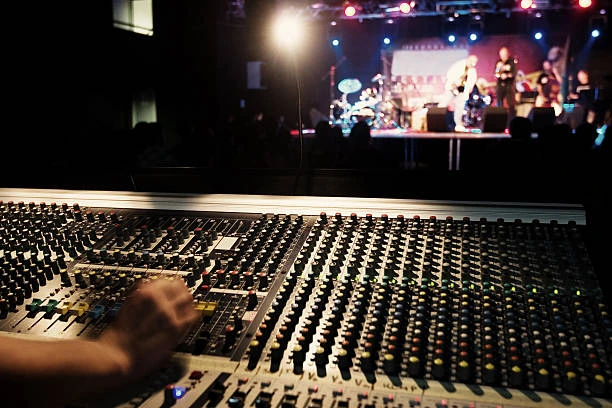
Planning a successful event requires careful consideration of AV equipment. It is crucial to think about the size of your event and the type of content you will be presenting. Consider what type of audio and video equipment you need, such as microphones, projectors, screens, and speakers. Additionally, you should plan for adequate lighting, connectivity items such as routers and extension cords, and presentation software like PowerPoint or Keynote.
For larger events with multiple presenters or live performances, it may be worth considering renting more advanced audiovisual equipment from a professional AV company. Again, working with an experienced technician can ensure your event is adequately set up and runs smoothly without any technical hiccups.
Finally, when budgeting for your event, leave room for unexpected AV costs that may arise during setup or even during the event itself. By considering these steps early on in the planning process, you’ll be well-prepared to host a successful event with all the right audiovisual equipment in place.
Business Events  Your All-in-One Event Management Platform
Host Events with Ease! Events.org's comprehensive event management platform makes it easy to optimize, automate and maximize your organization's entire charitable event calendar.Events.org Benefits:
✓ Simple, Affordable Pricing for Paid Events: $1 per Transaction!
✓ FREE Events are always FREE
✓ Host & Manage Any Event
✓ Dedicated Customer Support
✓ Branded Event & Donation Pages
✓ Donor and Contacts Management (CRM)
✓ Membership Management
✓ Conference Management
✓ Volunteer Management
BONUS: Free access to the iBid's Mobile Auction AutoPilot™ - This automation tool saves you time & stress while streamlining auction tasks. Manage auction items and payment processing, including express checkout & digital receipts!