Keeping Event Costs Low During Uncertain Times

The future is never certain. We know that. But we also know that there are things you can do today to prepare yourself for whatever might come tomorrow. So what does that mean? Well, it means that you need to start thinking about how to protect yourself and/or your business financially in case something goes wrong. You don't want to find out later that you didn't plan ahead because you just assumed everything was going to work out fine.
Hosting an event of any capacity during uncertain times is challenging, especially when it is a charity event. If you decide hosting an in-person event is what is right for you continue reading and we will go over ways to keep event costs down during uncertain times as well as overall stay ahead and prepared for whatever will come.
Save and budget

Money isn't just money—it's how we spend our money, what we save, and where we put it.
An event budget is perhaps the single best tool you'll have throughout each economic up and down. With it, you have complete control over your money and what it can do. Without one, you leave everything to chance.
Budgeting isn't always easy, especially for people who are just starting out. But there are some things you can do to make sure you're doing everything possible to save money without sacrificing the quality of your event.
A budget gives you a plan for how much your monthly cost is for services you use, where you're getting your money from, what expenses you can cut or reduce, hidden costs you might not notice, and what you can afford to pay off. Once you've got a good handle on your finances, you can use it to figure out exactly how much you need to earn to reach your financial goals.
But there are lots of different types of budgets, and many of them aren't very helpful. Some require you to log into an online account, while others aren't designed for mobile devices. And some are better suited for certain situations than others.
1. Know Your Budget
Knowing where your money goes each week or even daily can give you a good idea of whether you're staying within budget. This will allow you to see if you're doing good with cost control or need to start cost cutting.
2. Look For Savings Opportunities
There are lots of places where you can find savings opportunities. If you are in between two guest speakers, look at what they charge. Is it an hourly rate or a set price? Who is cheaper? Or when looking at catering costs, do you need full-service catering, or is your event more fit for passed finger food or a self-serve option?
Looking for the best software to help you plan and execute your event is important as well, you want to be able to get the most help for the least amount of money. Events.org and iBid are great tools that work together to create an easy and seamless process, before, during, and after any event!
Do research as well, what is the average cost of your event type, is that what yours is too? If not break down, the cost per person, catering costs, and so on to see where you can save.
Stay Flexible
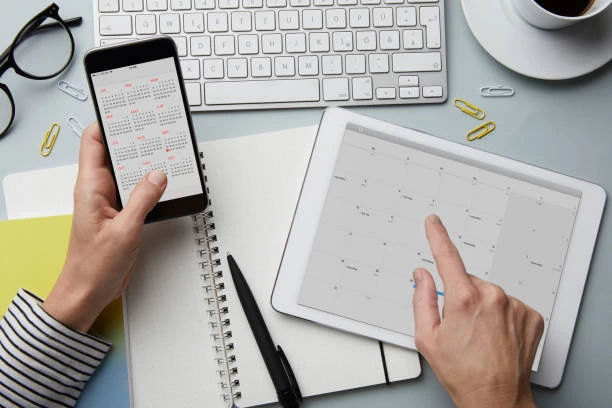
The event planning process can seem like a never-ending cycle of research, meetings, discussions, and rewrites. And while there are certainly elements of this process that require careful consideration, many people forget about flexibility when they begin scheduling their events. This is especially true for those looking to cut costs.
If you are flexible with dates – say, you can move your event up or down a month or even a week without penalty – you can tap into off-peak rates for acts, suppliers, and venues, driving a wide range of costs down. For example, if you're holding an event during the summer months, you might find that you can book a venue for half price if you change from one month to another depending on the venue's busy season and the type of event being held.
Start the Planning Process Early
The closer the event date approaches, the harder it becomes to secure a reasonable price. You want to avoid paying too much, but you don't want to pay too little either. This is where things start getting tricky. Asking for discounts early on isn't always possible because venues often book months ahead. But, again, if you're flexible, you might find yourself able to negotiate a better deal.
Starting early is great, but you need to remember you need to stay very organized with what you have already taken care of and what you still need to do. With Events.org's free SMART event planning template it allows you to add and assign tasks, add start and end dates for each task, task completion percentage tracking, and more. Having an organized task list with all these features will ensure you stay on top of everything.
Negotiate

We often hear about how important it is to negotiate with vendors and contractors. But we rarely see examples of people actually doing it. So here’s some advice: Negotiate with everyone – even those you already work with. You never know when you might find a better deal somewhere else. And while it’s true that most businesses won’t budge on price, there are ways to make sure you get the best deals out there.
For example, you can start by asking for multiple quotes. This may seem like overkill, but it really isn’t. If you want to buy something from someone, why shouldn’t you ask for multiple quotes? Ask for three quotes – one from the vendor, another from a competitor, and a third from a different supplier. Then compare the prices and choose the best offer.
Sponsor's
Having sponsors for your event is another way on keeping your costs down. Choose a sponsor that makes sense for your event, you can also add a sponsorship ticket option to entice more people to be a part of your event in a bigger way rather than just attending.
Asking companies that you already have been using their services or products to sponsor your event creates a genuine sponsorship. If you notice that you are spending a lot of time on a particular site, it might be worth getting in touch with the owners and asking about a partnership. They might be willing to work out a deal where you get a discount on their product or service. This way, both parties benefit and you are getting a discount on something that you would have been paying full price for.
Staff
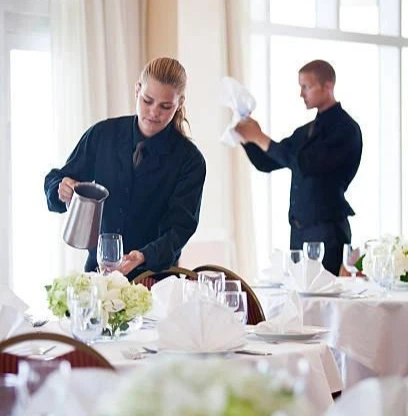
Not every event needs check-in staff, servers, bartenders, and so on. Look through your event and think of what needs a staff member and what does not, or what you can do to tweak it so it does not need one. Once you have done that you can decide if someone needs to be hired for it or a volunteer can run it with instructions.
A good rule of thumb is to allocate around 10% of your budget towards staffing. To save even more money you can try to get it below 10%, but that is only if it will not hurt the success of your event.
Extra Add-ons
While we love our guests, sometimes we forget about the little things like how much money we spend on unnecessary items. We've compiled some common add-ons and what we think is worth spending your budget on. Think of things like these, you might not even think they are add-ons but some can be!
1. Party Gifts- While we understand why companies give away freebies, there's no reason to overspend on them if you do not have the budget. Try giving something small that has a story with it rather than a drawstring bag and pen with your logo on it. Like a bottle of wine to relax after the event, or a pack of gum because you'll be meeting new people, anything you can add a reason as to why you are giving it away to them, if it is small it does not matter your guests will like the thought behind it more.
2. Branded Products - There's nothing wrong with having branded products at events, but make sure you're getting value for your dollar. Is the product being used? Are people actually enjoying it? Does it match the theme of the event? These questions help guide us in deciding if it's worth buying.
3. Premium food and drinks - Sure, lobster and cocktails are nice but also selective as to who can enjoy them, many people are picky or have allergies. Stay simple with your food and drinks when trying to keep your costs low. People enjoy a nice glass of wine and chicken or a pasta dish just as much. You can even do something as casual as a food truck, this gives a fun experience that is cheaper but does not feel like that for your guests.
Venue

A venue is a very important part of your event, this is the first impression someone will have of your event. Driving up to the venue they will already have an opinion about your event. With that being said of course it needs to be exactly what you had in mind and flow with the overall event. As we talked about before, being flexible will be your best friend in the process of keeping your event costs low.
Typically popular venues will either be booked on the weekends or at a much higher price. So think about it, are you willing to host a weekday event? Do you think your audience would be willing to attend? Have you had a weekday event before? Was it successful or not?
If you are able to host your event on a weekday and are confident people will still attend, try shooting for a Thursday. Thursdays are great because they are at the end of the work week, people are looking forward to the weekend and getting out, and they are much more relaxed than they would be on a Monday. Overall people are typically more willing to attend events, go out to dinner or make plans with friends later in the work week. Plus it will be cheaper for you to book your dream venue!
Online Event

Lastly, before planning and negotiating stop and think, could this event be just as successful being online? Online events have become part of the new norm, some people actually prefer them and if you do it correctly event people against online events will love it!
The savings from changing your in-person event online is more than anything we have talked about. This takes away travel costs, venue costs, catering costs, event staff, lighting/stage, linens/ tables, the list goes on and on. If in the end you realize hosting an in-person event is too risky for you at the moment and it makes you uncomfortable an online one is a great alternative that we know your guests will love.
Conclusion
In the end, keeping costs down during uncertain times is going to have to call for some sacrifices. But you can still create an amazing event that your guests will enjoy just as much as any other one by taking into account the tips above.
Business Events
 Your All-in-One Event Management Platform
Host Events with Ease! Events.org's comprehensive event management platform makes it easy to optimize, automate and maximize your organization's entire charitable event calendar.Events.org Benefits:
✓ Simple, Affordable Pricing for Paid Events: $1 per Transaction!
✓ FREE Events are always FREE
✓ Host & Manage Any Event
✓ Dedicated Customer Support
✓ Branded Event & Donation Pages
✓ Donor and Contacts Management (CRM)
✓ Membership Management
✓ Conference Management
✓ Volunteer Management
BONUS: Free access to the iBid's Mobile Auction AutoPilot™ - This automation tool saves you time & stress while streamlining auction tasks. Manage auction items and payment processing, including express checkout & digital receipts!